Medical Imaging, Technology, Cloud PACS system
The medical imaging industry has experienced significant change over the past decade, but the pace of innovation is only accelerating. Advances in artificial intelligence, cloud computing, data integration, and workflow automation are reshaping how imaging centers operate and deliver care. What once seemed like future technology is quickly becoming part of everyday healthcare.
As imaging providers look ahead, the focus is shifting beyond simply keeping up with technology. The goal is to build smarter, more connected environments that improve efficiency, support clinical teams, and create better experiences for patients. Over the next five years, imaging centers will likely undergo a transformation that changes not only how studies are managed, but also how healthcare organizations collaborate, communicate, and make decisions.
While no one can predict every innovation that lies ahead, several trends are already beginning to define the future of medical imaging.
When many people think about AI in medical imaging, they immediately picture software analyzing scans. While image analysis remains an important area of development, some of the most impactful changes may occur behind the scenes.
AI is increasingly being used to support workflow management, helping imaging departments organize studies, identify urgent cases, and reduce administrative burdens. As these systems continue to improve, they will become more integrated into everyday operations.
Rather than functioning as standalone tools, future AI solutions will likely work alongside existing imaging platforms, helping teams navigate growing workloads without disrupting established processes. Radiologists and technologists will still be responsible for clinical decisions, but they may spend less time managing routine tasks and more time focusing on patient care.
This shift could help imaging centers operate more efficiently while supporting staff in an increasingly demanding healthcare environment.
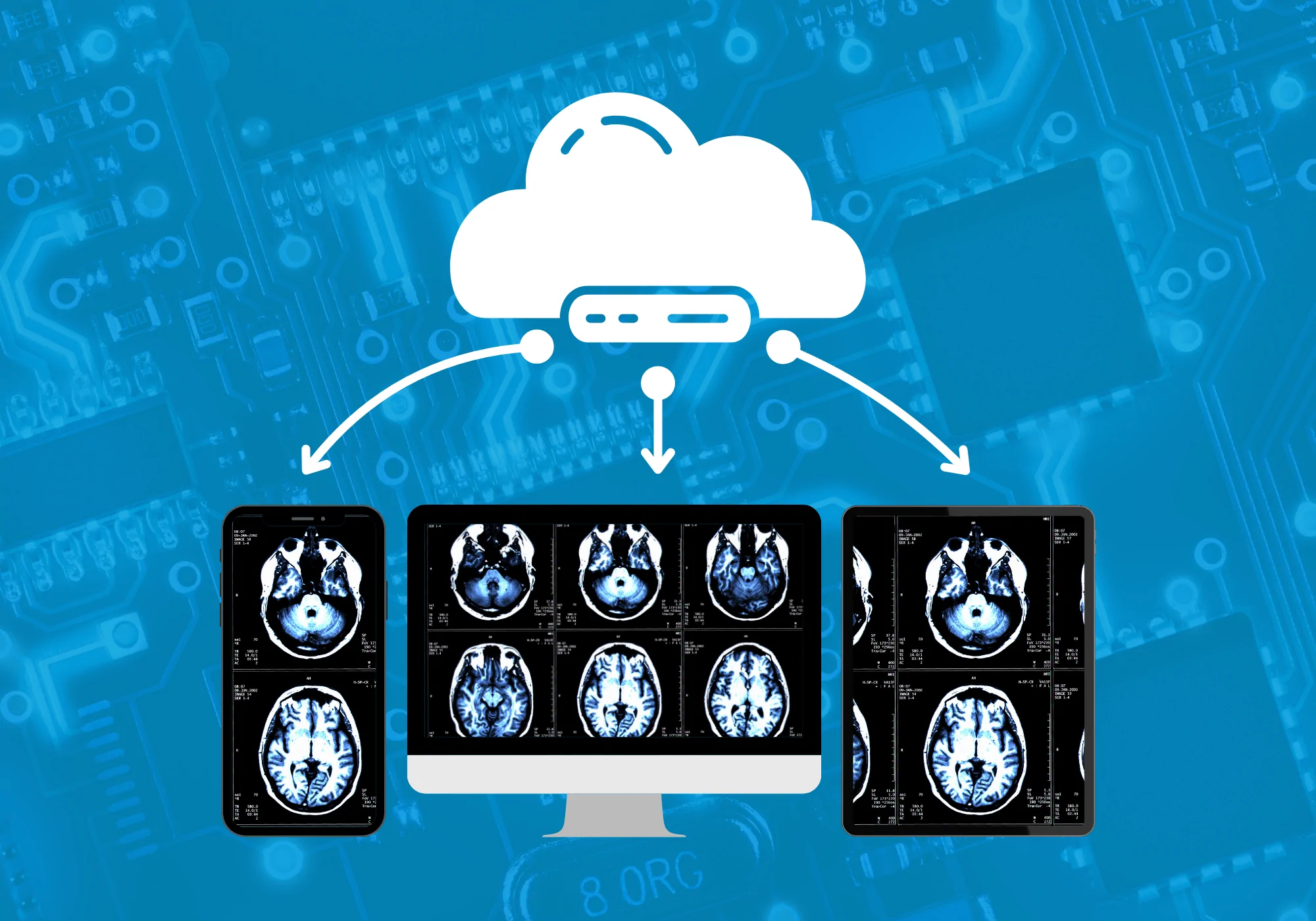
The move toward cloud based imaging has been gaining momentum for years, and that trend is expected to continue.
Traditional imaging environments often rely on local servers and hardware that require ongoing maintenance and upgrades. Cloud platforms offer a different approach by providing scalable storage, remote accessibility, and greater flexibility.
Over the next several years, more imaging centers are expected to adopt cloud based solutions as they look for ways to support growth without increasing complexity. Providers want access to images and reports regardless of location, and healthcare organizations increasingly need systems that can adapt as technology evolves.
Cloud infrastructure also creates a stronger foundation for emerging innovations. Many advanced AI tools depend on secure access to large volumes of imaging data, making cloud platforms an important part of future technology strategies.
As healthcare becomes more connected, cloud based imaging will likely move from a competitive advantage to an industry expectation.
Healthcare organizations generate enormous amounts of information every day. The challenge is often not collecting the data, but ensuring that it can move efficiently between systems.
In many healthcare environments, valuable information remains separated across different platforms. Imaging systems, electronic health records, and reporting tools may all contain important pieces of the patient story, yet they do not always communicate seamlessly.
This is why interoperability continues to receive so much attention throughout healthcare.
Future imaging environments will place a greater emphasis on connected systems that allow information to flow securely between providers, departments, and technologies. Better integration can help reduce delays, improve collaboration, and support more informed decision making.
For imaging centers, this means investing in solutions that are designed to work within a broader healthcare ecosystem rather than operating independently.
Technology is influencing nearly every aspect of daily life, and healthcare is no exception. Patients have become accustomed to accessing information quickly and conveniently, whether they are managing finances, shopping online, or communicating with service providers.
Healthcare consumers increasingly expect the same level of accessibility from their medical providers.
Over the next five years, imaging centers will likely continue expanding digital services that make it easier for patients to access reports, view images, and share information with physicians. The ability to engage with healthcare information remotely is becoming an important part of the patient experience.
This shift is about more than convenience. When patients have greater access to their information, they are often better equipped to participate in conversations about their care and treatment options.
As technology evolves, patient engagement will likely become an even more important consideration for imaging providers.
Many imaging workflows involve repetitive tasks that consume valuable time throughout the day. Scheduling coordination, study management, data entry, report distribution, and image routing all play a role in keeping operations running smoothly.
Automation technologies are helping simplify these processes by reducing the amount of manual intervention required.
In the coming years, imaging centers may increasingly rely on intelligent workflow tools that help organize information, support communication, and improve operational efficiency. These systems are not designed to replace healthcare professionals. Instead, they help remove friction from everyday processes.
When administrative burdens are reduced, teams can focus more attention on the areas where human expertise provides the greatest value.
For growing imaging organizations, workflow automation may become one of the most practical ways to improve efficiency while maintaining high standards of care.
Perhaps the most important lesson from recent technology advancements is that healthcare organizations must remain adaptable.
The imaging industry is evolving rapidly, and the technologies that define healthcare five years from now may look very different from those available today. Success will depend not only on adopting new tools, but also on creating infrastructure that can support future innovation.
Flexible imaging platforms, scalable cloud environments, and strong integration capabilities will help organizations prepare for whatever comes next.
Rather than constantly rebuilding systems to keep pace with change, imaging centers can position themselves for long term success by investing in technology that grows alongside their needs.
The future of medical imaging is becoming increasingly connected, intelligent, and patient focused. Advances in AI, cloud computing, interoperability, and workflow automation are helping reshape how imaging centers operate while creating new opportunities for efficiency and collaboration.
These technologies are not changing the mission of healthcare. Imaging centers will continue to focus on delivering accurate information, supporting clinical decisions, and improving patient outcomes. What is changing is the way technology helps make those goals possible.
Over the next five years, organizations that embrace innovation while maintaining a strong foundation of accessibility, security, and flexibility will be best positioned to thrive.
As digital transformation continues, imaging centers have an opportunity to build environments that are not only more advanced, but also more connected, efficient, and prepared for the future.
Share this: