
PACS Software, Medical Tech
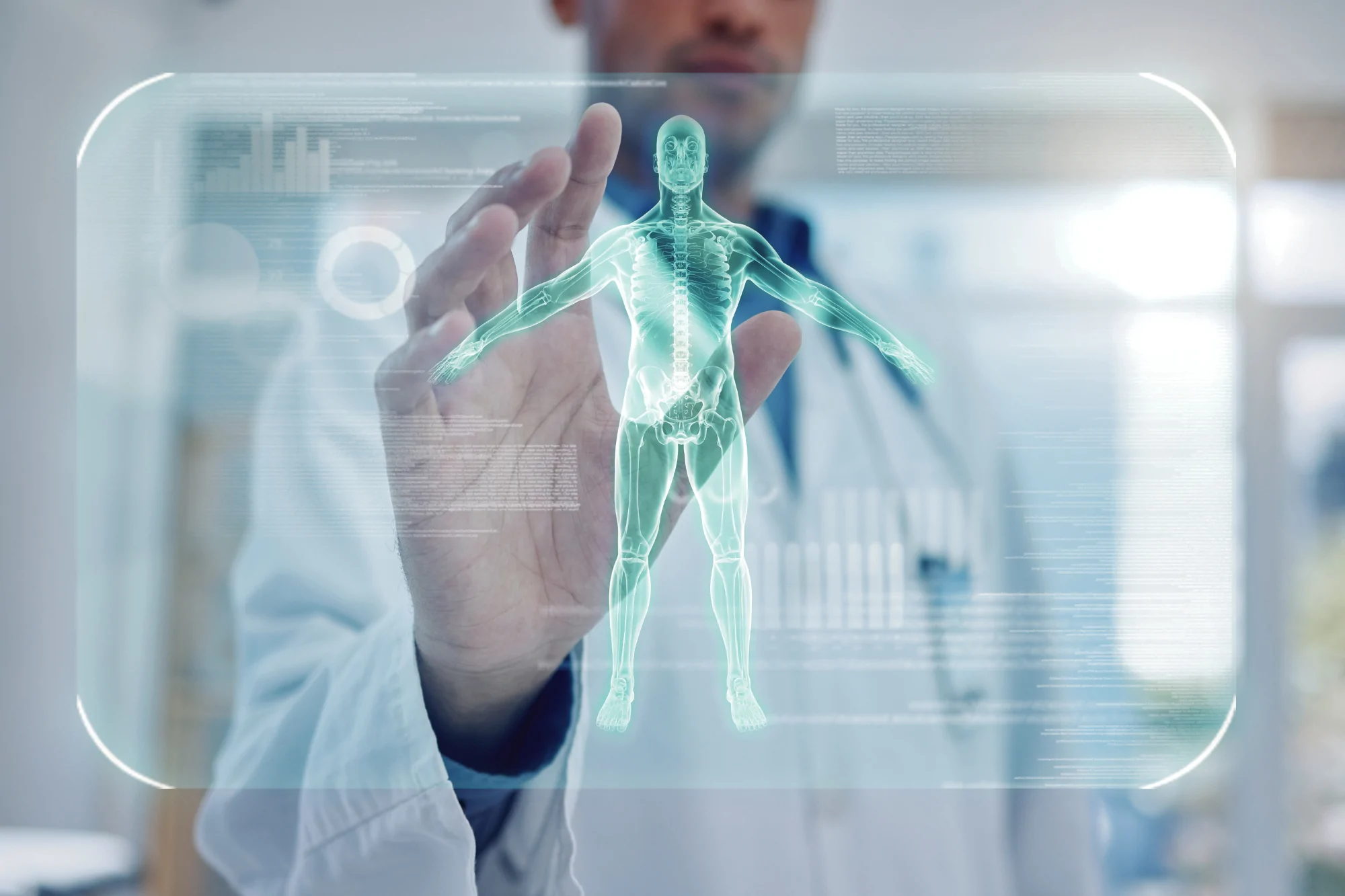
Medical imaging has always been one of the fastest evolving areas of healthcare. From the shift to digital imaging to the rise of cloud-based systems, each advancement has changed how providers deliver care and how patients experience it. As we look ahead to 2026, imaging technology is entering another major phase of transformation driven by smarter software, more connected systems, and higher expectations for speed, access, and security.
While better images will be a result of these upcoming breakthroughs, there are numerous other areas that will see improvements. Some of these include; improving workflows, reducing delays, enhancing collaboration, and giving both providers and patients more control over medical data. Understanding what is coming next helps practices prepare for the future while making smarter decisions today.
Below are some of the most impactful imaging technology breakthroughs expected to shape the industry in 2026.
Artificial intelligence is no longer a future concept in medical imaging. By 2026, AI is expected to be fully embedded into everyday imaging workflows across radiology, cardiology, neurology, and beyond. Instead of being used only in specialized settings, AI tools will assist clinicians at nearly every stage of the imaging process.
AI will help prioritize urgent cases by flagging abnormal findings faster than traditional workflows. It will assist radiologists by highlighting areas of concern, measuring changes over time, and reducing the chance of missed findings. These tools are designed to support physicians rather than replace them, allowing clinicians to focus on decision making instead of repetitive tasks.
As AI adoption grows, cloud-based imaging platforms will play a critical role. AI systems require large amounts of data, fast processing, and secure access to imaging histories. Platforms like MIMIC create the foundation that allows AI tools to function efficiently while keeping patient data protected.

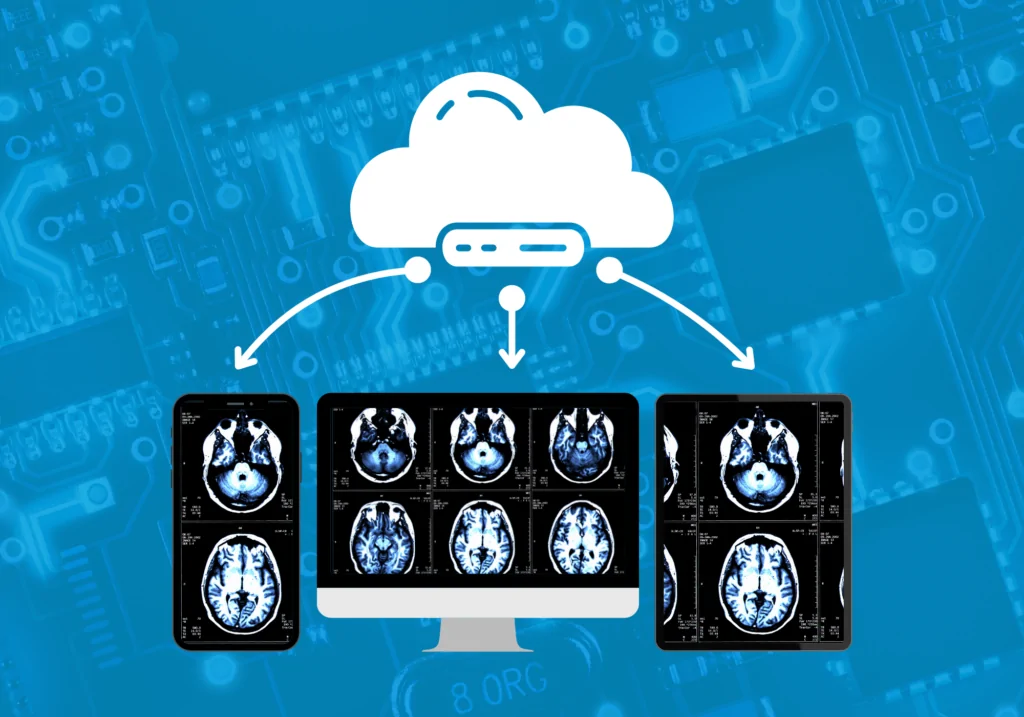
By 2026, cloud-based PACS systems are expected to become the default choice for imaging storage and access. On-site servers and legacy systems are increasingly difficult to maintain, costly to upgrade, and vulnerable to outages or cyber threats. Cloud technology offers scalability, reliability, and accessibility that traditional systems struggle to match.
Cloud imaging allows providers to access studies from any approved location without being tied to a physical server room. This flexibility supports remote reading, multi site practices, and faster collaboration between specialists. It also reduces the burden on internal IT teams by shifting maintenance and updates to secure cloud environments.
For patients, cloud based imaging means faster access to their own records and fewer delays when sharing images between providers. As expectations for digital convenience grow, practices that rely on cloud technology will be better positioned to meet patient needs.
One of the most exciting breakthroughs in 2026 will be enhanced interoperability across healthcare systems. Cloud-based imaging platforms are making it easier for hospitals, outpatient centers, and private practices to share imaging data securely and efficiently. This connectivity ensures that physicians have quick access to a patient’s full imaging history, no matter where the scans were originally performed. Improved interoperability reduces duplicate tests, streamlines diagnoses, and ultimately allows for faster, more coordinated care.
Artificial intelligence continues to expand beyond research settings into everyday clinical practice. In 2026, AI tools will increasingly assist radiologists in interpreting complex imaging data, flagging anomalies, and even predicting disease progression. This will not only improve accuracy but also save time, allowing radiologists to focus on patient care rather than manual image review. With AI integration, small and large practices alike can offer more consistent diagnostic services, even with limited staff.

Advances in software and machine learning will enable personalized imaging protocols tailored to each patient. By analyzing prior scans, patient history, and risk factors, imaging centers can select the most effective modalities and settings for each individual. This reduces unnecessary radiation exposure and improves diagnostic precision. Personalized protocols also enhance patient experiences by minimizing repeat scans and optimizing scheduling.
As imaging systems grow more connected, maintaining strict security standards is critical. In 2026, expect next-generation encryption, automated compliance monitoring, and real-time audit tools to become standard features. These measures will help practices meet HIPAA requirements while protecting sensitive patient data. Patients can feel confident that their medical images and health records remain secure, while providers spend less time managing compliance manually.
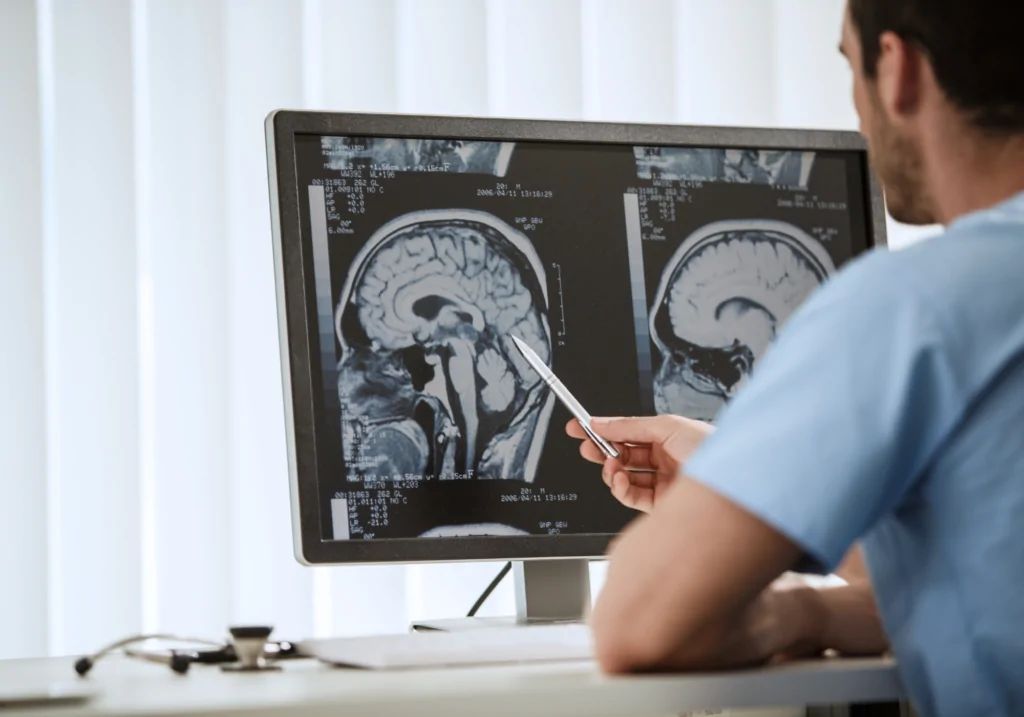
Cloud technology is transforming how imaging data is stored and accessed. Radiologists and clinicians can retrieve images from anywhere, share them with specialists instantly, and collaborate in real time. This reduces delays in patient care and eliminates the need for physical media like CDs or DVDs. Cloud storage also scales with practice growth, meaning small clinics can expand their imaging capabilities without investing in costly hardware upgrades.
Telehealth adoption is accelerating, and integrated imaging solutions are playing a pivotal role. Radiologists can review scans remotely, consult with other specialists, and provide rapid second opinions. This level of connectivity ensures patients receive timely, accurate diagnoses even if they are located far from specialized centers. 2026 will see more robust platforms that merge telehealth and imaging seamlessly, improving both patient outcomes and provider efficiency.

Finally, patient access to imaging data will continue to improve. Cloud-based systems empower patients to view, download, and share their scans with multiple providers, promoting engagement in their own healthcare. Easy access to imaging records supports informed decision-making, continuity of care, and peace of mind. Patients can now manage their medical information almost as easily as personal photos, which helps build trust and satisfaction in the healthcare process.
The future of medical imaging in 2026 is bright. From AI-assisted diagnostics and personalized imaging protocols to enhanced interoperability and cloud-based storage, these advancements will streamline workflows, reduce delays, and empower both providers and patients. Practices that adopt these technologies early will not only stay ahead in efficiency and care quality but also deliver a more seamless and patient-focused experience.
Share this: