

Medical Imaging, Technology, Cloud PACS system
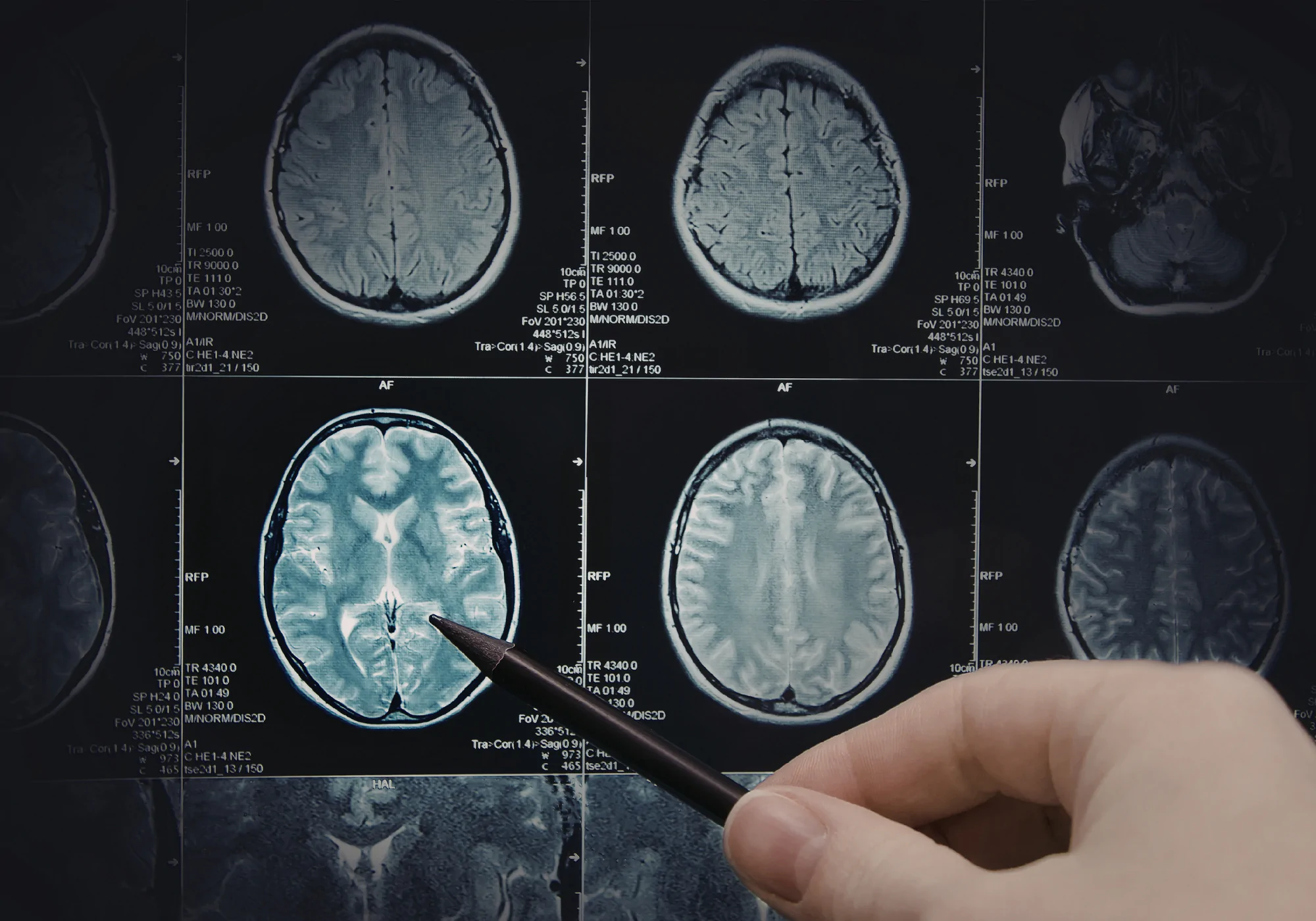
Medical imaging has changed dramatically over the last several decades. What once required physical films and dedicated storage rooms has evolved into digital imaging that can be accessed from nearly anywhere. Now, another transformation is taking place as cloud technology, artificial intelligence, and connected healthcare systems continue to change how medical images are stored, accessed, and used.
At the center of this evolution is PACS, or Picture Archiving and Communication System. PACS has been an essential part of medical imaging for years, but its role is changing as healthcare organizations look for better ways to manage growing amounts of imaging data. Modern PACS platforms are moving beyond simply storing and displaying images. They are becoming part of a larger connected environment designed to make imaging information more accessible and useful throughout the healthcare workflow.
The earliest PACS systems were largely created to replace physical film. Instead of printing images and manually transporting them throughout a healthcare facility, digital studies could be stored electronically and reviewed on computer workstations. This represented a major improvement in how quickly medical images could be accessed, but the demands placed on imaging systems have continued to increase.
Today, imaging centers and healthcare organizations manage enormous volumes of studies across multiple locations. Physicians may need access to prior exams while working outside the imaging facility, while radiologists may read studies remotely. Patients can also receive care from multiple providers who need access to the same imaging information. As healthcare has become more connected, simply having digital images is no longer enough. The systems managing those images need to support accessibility and collaboration as well.
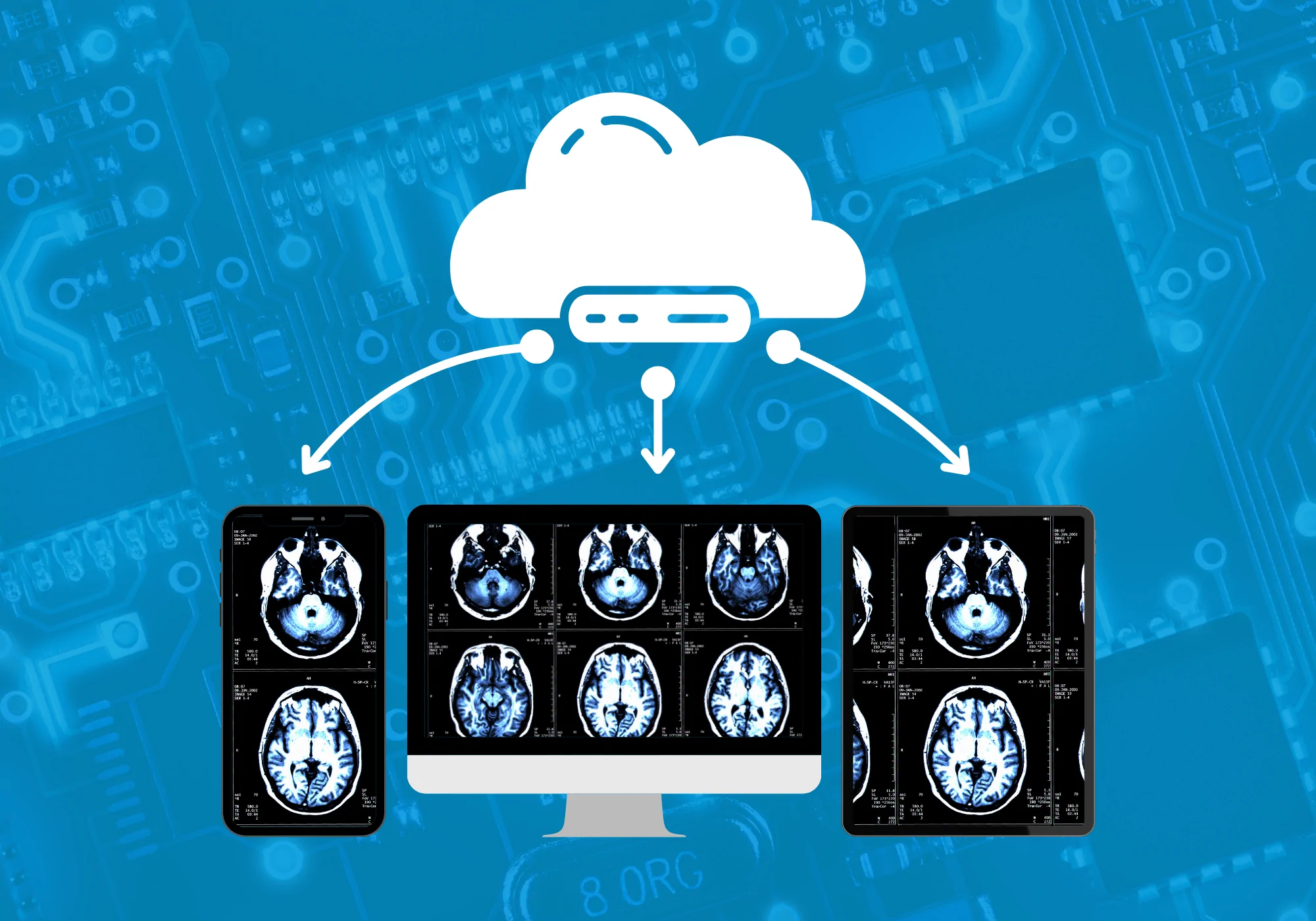
Cloud technology has helped move PACS in that direction. Rather than relying entirely on servers and storage hardware located at one facility, cloud based PACS can provide a centralized environment for managing imaging data. This can give authorized users more flexibility when accessing studies while helping organizations manage increasing storage demands without continually expanding their physical infrastructure.
One of the biggest advantages of cloud based imaging is flexibility. Traditional on premise PACS environments can require significant hardware, maintenance, upgrades, and IT resources. As the number of imaging studies increases, organizations may need to continually expand their storage capacity and replace equipment. Cloud infrastructure offers a different approach by allowing storage and computing resources to scale as organizational needs change.
Remote accessibility is another important consideration. Depending on the platform and security configuration, authorized users can access imaging studies from different locations rather than being tied to a particular workstation. This can be especially valuable for organizations with multiple facilities or radiologists who work remotely. Instead of treating each location as a separate imaging environment, cloud technology can help create a more connected system where information is available across the organization.
That connectivity can support collaboration between members of a patient’s care team. A referring physician may need to review an imaging study with a radiologist, while a specialist may need access to previous exams before making a treatment decision. When imaging information is easier to access, those conversations can happen more efficiently.
While cloud technology is changing where and how imaging data is stored, artificial intelligence is beginning to change how that data can be used. AI is becoming increasingly common throughout medical imaging research and clinical workflows, with applications ranging from image reconstruction and analysis to measurements, prioritization, and workflow assistance.
One important development is the movement toward integrating AI into the imaging environment rather than treating it as a completely separate tool. When AI capabilities can work alongside PACS and other clinical systems, the technology has the potential to become a more natural part of the radiology workflow. Instead of requiring clinicians to move between disconnected applications, relevant information or AI generated insights could be incorporated into the systems they already use.
AI can also help with some of the repetitive tasks associated with medical imaging. Certain algorithms can assist with measurements, organize information, or help identify studies that may require more immediate attention. These capabilities are not intended to replace radiologists. Rather, they can provide additional support as clinicians work through increasingly large volumes of imaging data.
When discussing AI and cloud technology, it is easy to focus entirely on speed. Faster access to images and more efficient processing are certainly valuable, but the larger benefit is creating a workflow that makes information easier to manage.
A well designed imaging environment can reduce unnecessary steps and help clinicians find the information they need without navigating multiple disconnected systems. When a physician can quickly access a current study alongside relevant prior imaging, the workflow becomes more streamlined. For radiologists, having the right information available within their working environment can help them focus more of their attention on interpretation and clinical decision making.
This becomes increasingly important as imaging volumes continue to grow. Healthcare organizations need to manage more studies without creating additional complexity for the people responsible for reviewing and coordinating them. Cloud infrastructure can provide the foundation for managing that growth, while automation and AI can help make the information within those systems more useful.
As imaging becomes more connected, interoperability remains one of the biggest challenges in healthcare technology. PACS does not operate in isolation. Imaging centers often need their systems to communicate with electronic medical records, radiology information systems, imaging modalities, referring physicians, and other healthcare platforms.
Standards such as DICOM and HL7 help different healthcare systems exchange information, but effective integration depends on how those technologies are implemented. A truly connected imaging environment should make it easier for information to move between systems rather than creating another isolated data source.
This is one reason the evolution of PACS is about more than simply moving storage to the cloud. The larger goal is creating an imaging environment where information can move securely and efficiently throughout the healthcare workflow. When systems can communicate effectively, organizations can spend less time working around technology and more time using it to support patient care.
Greater accessibility also brings greater responsibility. Medical images contain sensitive patient information, making security a fundamental consideration for any modern imaging platform. Cloud based PACS environments must account for protections such as encryption, authentication, access controls, backups, and applicable healthcare privacy requirements.
The objective is not simply to make medical images easier to access. It is to make them available to the appropriate people through secure systems while maintaining control over sensitive information. As healthcare organizations continue adopting cloud technology, security needs to remain built into the foundation of the imaging environment.
The next generation of PACS will likely be defined less by where medical images are stored and more by what can be done with them. Cloud infrastructure can provide scalable storage and access, while AI can assist with increasingly sophisticated imaging tasks. Interoperability can connect imaging with the broader healthcare environment, creating a system that supports information throughout the patient journey.
This does not mean technology will replace radiologists, technologists, or physicians. Instead, the goal is to provide healthcare professionals with better tools for managing the growing amount of information produced by modern imaging. The more connected these systems become, the greater the opportunity to reduce unnecessary complexity and create workflows that work for the people using them.
The evolution of PACS is ultimately about making medical imaging more connected, accessible, and useful. As imaging volumes continue to increase, healthcare organizations will need platforms that can keep pace while maintaining security and reliability. Cloud technology and AI are helping move PACS beyond its traditional role as an image archive and toward becoming a more integrated part of modern healthcare.
At MIMIC, we believe the future of medical imaging depends on combining reliable infrastructure with technology that supports the people using it. Cloud based PACS, secure connectivity, interoperability, and emerging AI capabilities are helping shape a new generation of imaging workflows.
The next chapter of PACS is already taking shape. The systems that succeed will not simply store medical images, but instead will help healthcare organizations connect those images with the people, technology, and information needed to make them more valuable throughout the patient journey.
Share this: