
Medical Imaging, Technology, Cloud PACS system
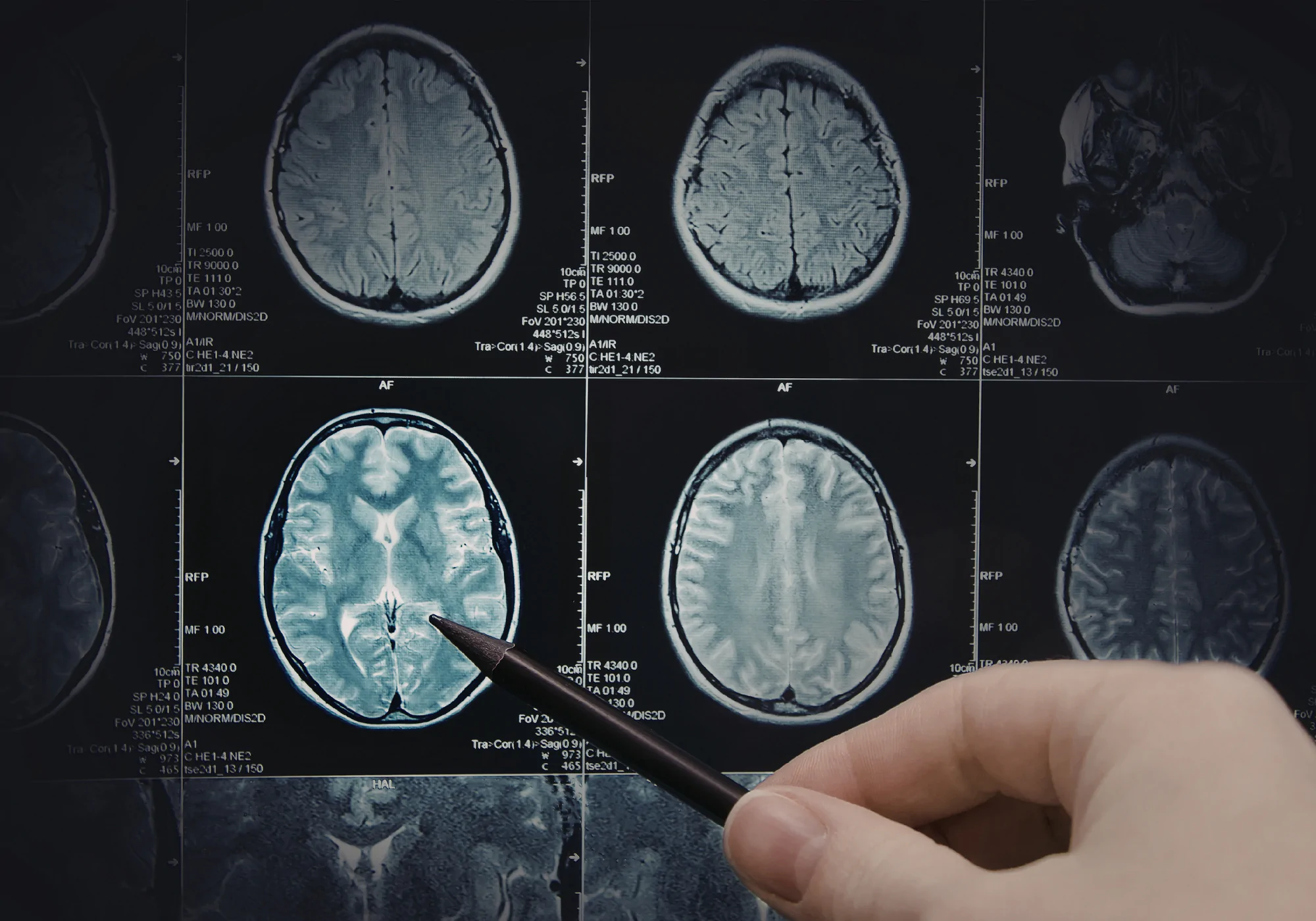
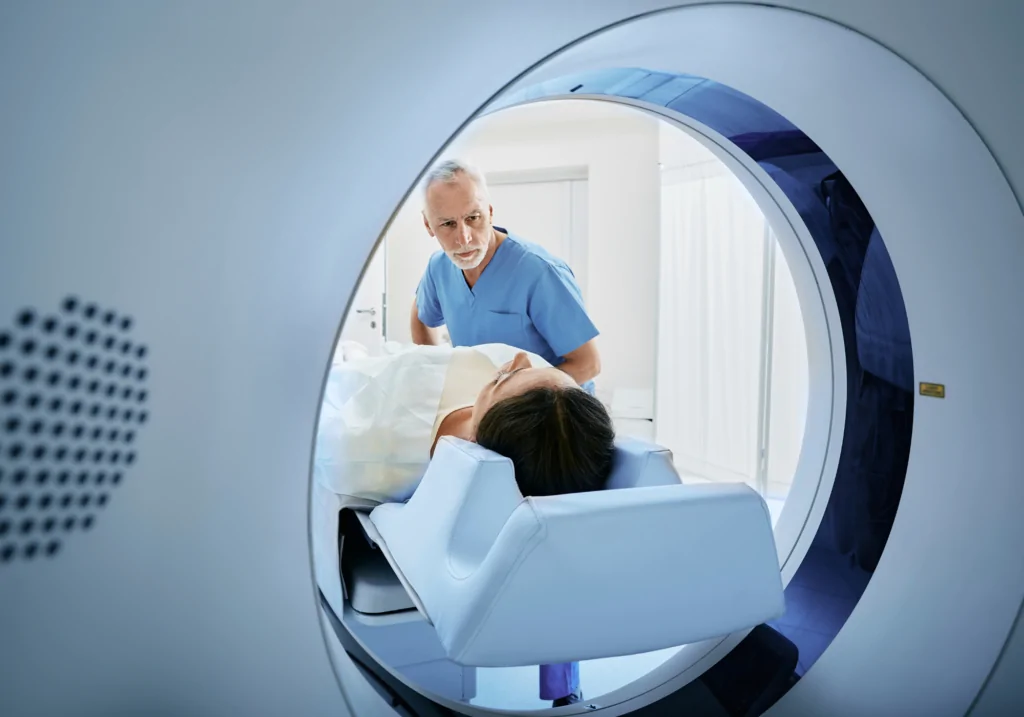
Medical imaging has long played a critical role in diagnosing disease. From MRI scans to CT imaging, clinicians rely on these tools to visualize what is happening inside the body and guide treatment decisions. For decades, imaging has primarily been used to confirm conditions after symptoms appear. Today, a new wave of artificial intelligence technology is beginning to shift that model.
Predictive AI is transforming medical imaging from a tool that simply identifies existing problems into one that may help detect disease earlier than ever before. By analyzing subtle patterns within medical images, AI systems can identify warning signs that may not yet be visible to the human eye. This emerging capability has the potential to change how healthcare providers approach diagnosis, prevention, and long term patient care.
As imaging technology continues to evolve, predictive AI is becoming one of the most promising developments in modern healthcare.
Predictive imaging refers to the use of artificial intelligence to analyze medical images and identify patterns that may indicate the future development of disease. Instead of focusing only on what is currently visible in a scan, predictive models look for subtle signals that may suggest a patient is at higher risk for certain conditions.
AI systems are trained using massive datasets that include thousands or even millions of medical images. By studying these datasets, machine learning algorithms learn to recognize complex patterns associated with different diseases. Over time, the system becomes increasingly accurate at identifying early indicators that might otherwise go unnoticed.
For example, predictive imaging models can analyze scans to detect early signs of cancer, cardiovascular disease, or neurological disorders long before symptoms appear. In some cases, AI may identify risk factors years in advance, giving physicians more time to intervene and monitor patients closely.
This shift from reactive diagnosis to proactive detection represents a major step forward in how imaging technology supports patient care.
Early detection is one of the most powerful tools in medicine. Many diseases are significantly easier to treat when they are identified at an early stage. Unfortunately, traditional diagnostic methods often rely on visible symptoms or structural changes that appear later in the disease process.
Predictive AI has the potential to close this gap.
By analyzing small variations in imaging data, AI models can highlight patterns that suggest disease may be developing even when scans appear normal to the human eye. These insights can help clinicians identify at risk patients earlier and begin monitoring or treatment sooner.
For patients, earlier detection often means better outcomes, less invasive treatment options, and improved long term health. For healthcare providers, it can lead to more efficient care planning and a greater ability to manage chronic conditions before they become severe.
The ability to identify disease risk earlier may ultimately shift healthcare toward a more preventative model, where imaging plays a key role in maintaining health rather than simply diagnosing illness.
One reason predictive AI has advanced so rapidly in recent years is the growing availability of medical imaging data. Hospitals, imaging centers, and research institutions generate enormous volumes of imaging data every day. These datasets provide valuable information that can help train and refine AI models.
However, in order for predictive AI to work effectively, imaging data must be organized, accessible, and secure. AI systems rely on large volumes of high quality data to detect meaningful patterns. Without efficient ways to store and manage imaging information, the full potential of predictive analytics cannot be realized.
This is where modern imaging platforms play a critical role. Cloud based systems allow imaging data to be stored securely while remaining accessible for analysis and collaboration. These platforms create the infrastructure needed to support advanced technologies like predictive AI while maintaining strict standards for privacy and compliance.
As healthcare organizations continue to adopt cloud based imaging systems, they are building the foundation necessary for future AI driven innovation.
As AI becomes more capable, some concerns have emerged about whether these technologies might replace human expertise. In reality, predictive imaging is designed to support clinicians rather than replace them.
Radiologists bring critical knowledge, clinical experience, and contextual understanding that AI systems cannot replicate. AI tools function best when they act as assistants that help identify patterns, highlight areas of interest, and organize complex information.
Predictive models can provide additional insights that help radiologists focus their attention on subtle findings or potential risks. By combining human expertise with intelligent analysis, clinicians can make more informed decisions and provide higher quality care.
In this way, AI enhances the radiology workflow while allowing medical professionals to remain at the center of the diagnostic process.
As predictive imaging technologies continue to evolve, healthcare organizations must ensure their imaging infrastructure can support these advancements. AI driven tools require reliable access to large volumes of imaging data as well as systems that allow seamless integration with clinical workflows.
Cloud based imaging platforms are particularly well suited for this environment. By enabling secure data storage, remote accessibility, and scalable infrastructure, cloud systems create the flexibility needed to support emerging technologies.
Platforms designed with interoperability in mind also allow new AI tools to integrate without disrupting existing workflows. This means healthcare providers can adopt new innovations while continuing to use the systems they rely on every day.
For organizations looking to stay ahead of technological change, investing in flexible and scalable imaging infrastructure will be essential.
The future of medical imaging is becoming increasingly intelligent. Predictive AI represents a major step forward in how imaging data can be used to support patient care, offering the possibility of earlier detection, improved outcomes, and more proactive healthcare strategies.
While the technology is still evolving, the progress already made demonstrates how powerful AI driven analysis can be when combined with modern imaging systems. As datasets grow and algorithms continue to improve, predictive models will likely become an increasingly valuable part of clinical decision making.
At the same time, the success of these innovations will depend on imaging platforms that can support secure data access, efficient workflows, and seamless integration with new technologies.
Medical imaging has always helped clinicians understand what is happening inside the body. With the introduction of predictive AI, it may soon help providers see what could happen next and take action before disease has the chance to progress.
Share this: