Medical Imaging, Technology, Cloud PACS system
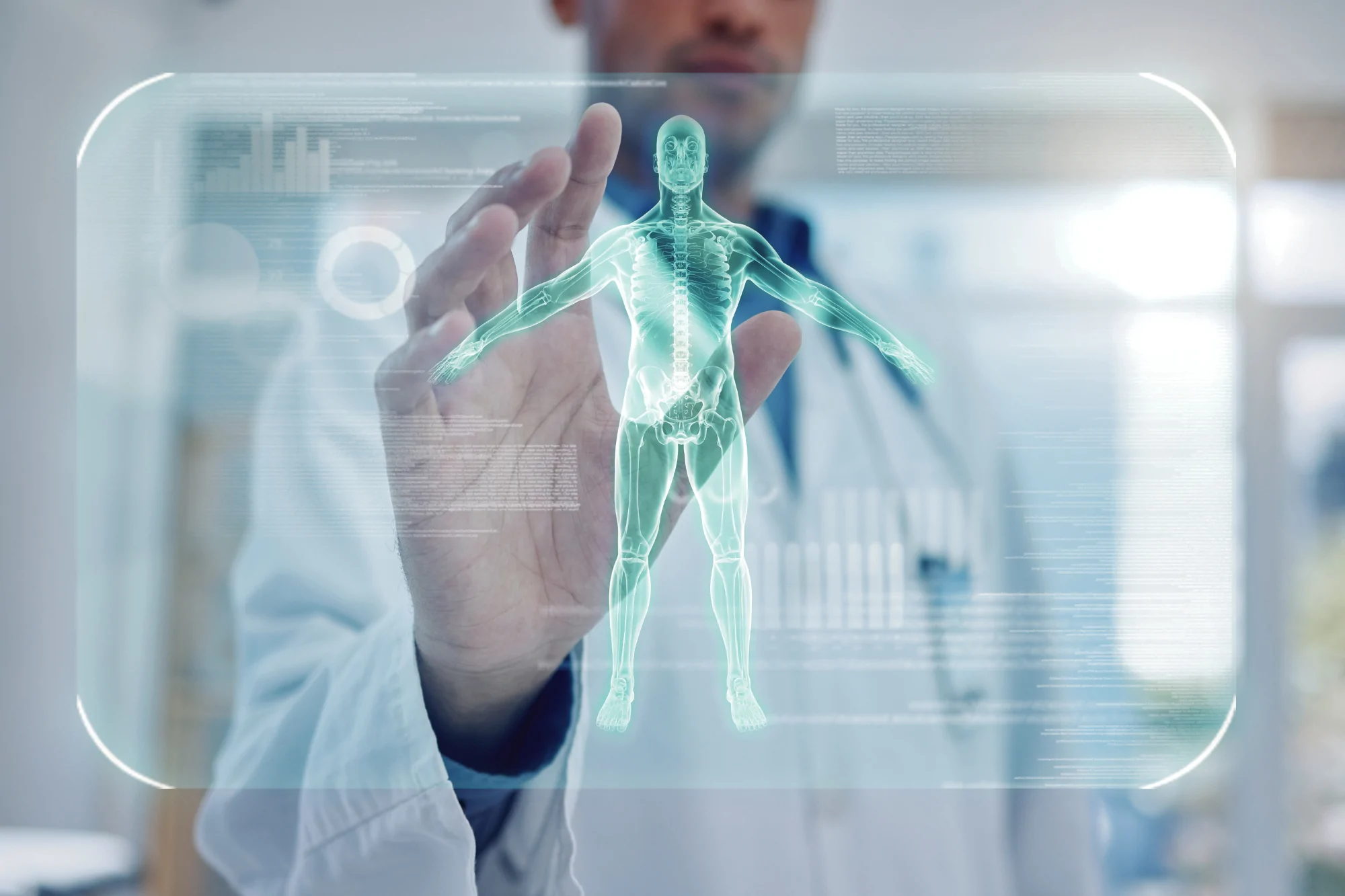
Artificial intelligence continues to reshape the way medical imaging is used in healthcare. What started as tools that could analyze single scans has now evolved into systems that can process multiple types of data at once. This next step is known as multimodal AI, and it is quickly becoming one of the most important developments in imaging technology.
Rather than looking at one image in isolation, multimodal AI brings together information from different sources. This can include MRI scans, CT images, prior studies, and even patient records. By combining these inputs, AI systems are able to create a more complete view of a patient’s condition and support more informed clinical decisions.
As healthcare continues to move toward more connected and data driven systems, multimodal AI is helping define what the future of medical imaging will look like.
Multimodal AI refers to systems that can analyze and interpret multiple types of data at the same time. In medical imaging, this often means combining different imaging modalities such as MRI, CT, ultrasound, and PET scans. It can also include non imaging data like patient history or lab results.
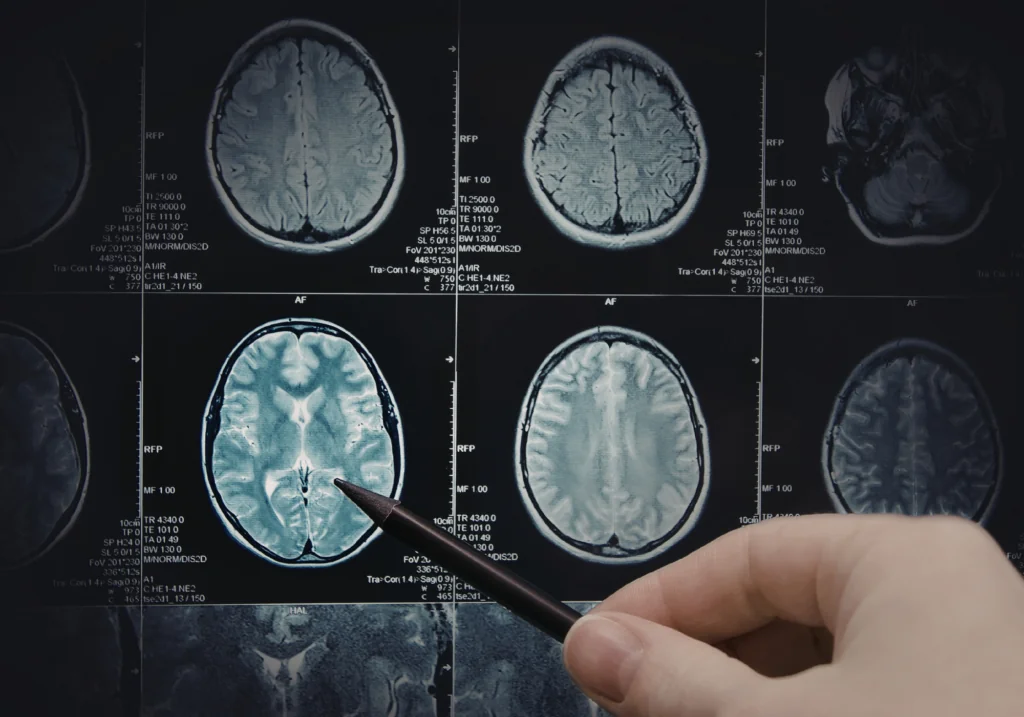
Traditionally, each imaging modality has been reviewed separately. A radiologist might look at an MRI scan and then review a CT scan independently, drawing conclusions from each. Multimodal AI changes this process by analyzing all of that data together.
By doing so, these systems can identify relationships and patterns that may not be obvious when looking at a single image. This can lead to more accurate assessments and a deeper understanding of what is happening within the body.
As these technologies continue to improve, multimodal AI is becoming a powerful tool for supporting clinical decision making.
Every imaging modality provides a different type of insight. MRI scans are excellent for soft tissue detail, while CT scans are often better for visualizing bone structures and detecting certain conditions quickly. Ultrasound and PET scans add even more layers of information.
When these data sources are combined, they create a more complete picture of the patient.
Multimodal AI can process this combined data to identify subtle patterns across different imaging types. For example, it may detect correlations between structural changes seen in a CT scan and functional changes observed in a PET scan. These connections can help clinicians better understand disease progression and make more confident decisions.
This approach is especially valuable in complex cases where a single imaging modality may not provide enough information on its own.
One of the most important benefits of multimodal AI is its potential to improve diagnostic accuracy. By analyzing multiple data sources at once, AI systems can reduce the risk of missed findings and provide additional context for clinicians.
These systems can highlight areas of concern, prioritize cases, and even suggest possible interpretations based on patterns learned from large datasets. This does not replace the role of the radiologist, but it does provide an added layer of support.
With more information available in a single view, clinicians can spend less time switching between systems and more time focusing on patient care.
As imaging volumes continue to grow, tools that help improve accuracy while maintaining efficiency will become increasingly important.
For multimodal AI to work effectively, it requires access to large amounts of organized data. Imaging platforms play a critical role in making this possible.
Modern cloud based systems are designed to store and manage imaging data from multiple sources in one centralized location. This allows different types of scans to be accessed together, creating the foundation needed for multimodal analysis.
Platforms like MIMIC support this by providing secure, scalable storage and easy access to imaging data. When data is organized and readily available, it becomes much easier to integrate advanced AI tools into existing workflows.
Interoperability is also key. Imaging platforms must be able to communicate with other systems such as electronic health records and radiology information systems. This ensures that all relevant data can be included in the analysis without creating silos or inefficiencies.
Multimodal AI is not just about improving accuracy. It also has the potential to streamline workflows.
By bringing multiple data sources into a single interface, clinicians can reduce the time spent navigating between systems. AI tools can also help organize and prioritize studies, ensuring that urgent cases are addressed quickly.
This leads to faster turnaround times and a more efficient use of resources.
For imaging centers and healthcare providers, efficiency is critical. As demand for imaging services continues to increase, solutions that help manage workload without sacrificing quality will be essential.
Multimodal AI, supported by strong imaging platforms, offers a way to meet these growing demands.
The development of multimodal AI represents a significant step forward in medical imaging, but it is only part of a larger trend. As AI continues to evolve, we can expect systems to become even more advanced in how they analyze and interpret data.
Future technologies may incorporate real time data, predictive analytics, and even more personalized insights based on individual patient profiles. These advancements will depend on having the right infrastructure in place.
Healthcare organizations that invest in flexible, cloud based imaging platforms today will be better positioned to adopt these innovations as they become available.
Medical imaging is becoming more connected, more intelligent, and more capable of supporting complex clinical decisions. Multimodal AI is a clear example of how technology is moving beyond isolated analysis and toward a more integrated approach.
By combining multiple data sources, these systems provide a more complete understanding of patient health and support better outcomes.
At the same time, the success of these tools depends on imaging platforms that can support secure data access, seamless integration, and efficient workflows.
As the industry continues to evolve, the combination of advanced AI and modern imaging infrastructure will play a key role in shaping the future of healthcare.
Share this: